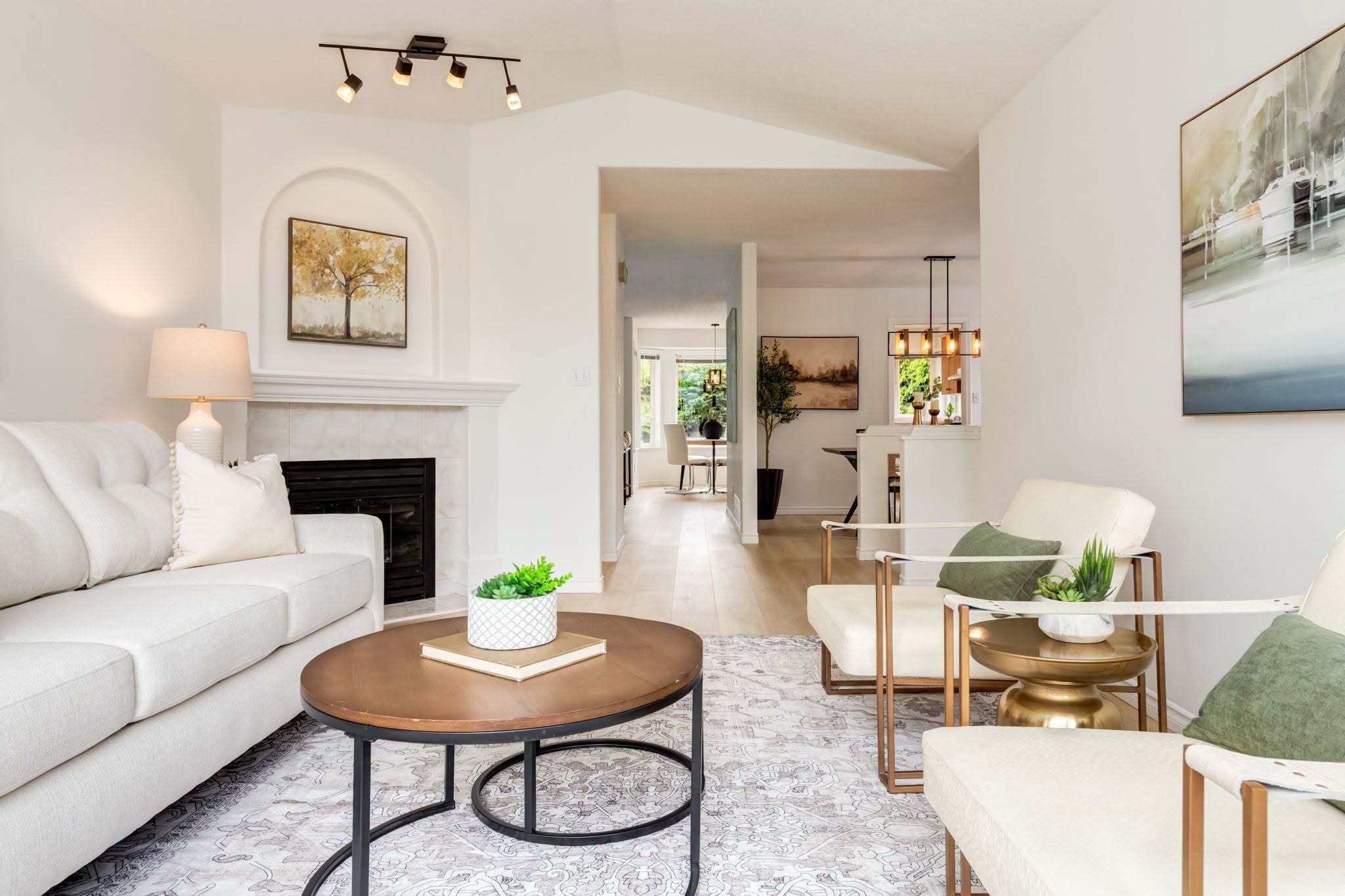
One of the biggest misconceptions I hear is that home staging is really only for luxury homes.
The truth is, every home benefits from exceptional presentation. Whether a property is worth $500,000 or $5 million, buyers make emotional decisions long before they make financial ones.
Luxury homes absolutely should be presented at the highest possible standard, and staging plays an important role in telling that story. Luxury buyers expect to see beautiful furniture and accessories in a property at the higher end of the market.
But where I often see the most dramatic transformation is in the mid-market. It’s also where I see the biggest return for the home owner.
Why?
Because luxury homes often have built-in advantages—remarkable architecture, premium finishes, spectacular views, or prestigious locations—that naturally make them memorable. Staging enhances those strengths, helping buyers fully appreciate the lifestyle the home offers and ensuring they see the condition of the home warrants the higher price tag.
The average family home is different.
It may be one of ten similar homes a buyer tours on the same weekend. Similar square footage. Similar price. Similar bedrooms. Similar neighbourhood.
That’s where staging becomes incredibly powerful.
Our job isn’t to make a home look expensive. It’s to make buyers walk in and think, “This feels like home.” We help buyers understand how the spaces work, create an emotional connection, and elevate the home’s perceived value so it becomes the one they remember after they’ve toured all the others.
I’ve seen this happen time and time again.
Recently, I staged a ground-floor condo in a building where several upper-floor units had already been on the market for more than a month. Ground-floor units are often considered less desirable, and ours faced the parking lot rather than the street.
It sold in the first two days for 98% of list, and compared with the sales in that building in the 122 month period was the highest price paid.
Another single family property, on the very same road, received eight offers in its first week and sold for $67,000 over asking—a return that was roughly 17 times my staging fee.
Was staging the only reason? Of course not. Pricing, marketing, the REALTOR®, and market conditions all matter.
But staging helped those homes compete and stand out. It helped buyers see their potential over similar listings. And sometimes, that’s exactly what tips the scales.
One other misconception I’d love to clear up is that many people assume REALTORS® pay for staging. In most cases, they don’t.
Staging is typically an investment made by the homeowner, and includes advice on things like painting, refreshing landscaping, replacing dated light fixtures, or making minor updates before listing. Great REALTORS® recommend staging because they understand the value of exceptional presentation, and helps to elevate their branding too, but the decision to invest almost always belongs to the seller.
I also understand why some agents turn to virtual staging. It can make an empty room look more inviting online. But buyers don’t buy photographs—they buy houses. When they walk through the front door, the experience needs to match the expectation. Real furniture helps buyers understand scale, function, traffic flow, and how the home actually lives.
The goal isn’t to make your house look like a magazine, although that’s often the feedback I hear from homeowners.
The goal is to make your house the one buyers choose.
Because in a neighbourhood full of similar homes, being memorable can make all the difference.